Can You Install Flooring Yourself or Should You Hire a Professional?
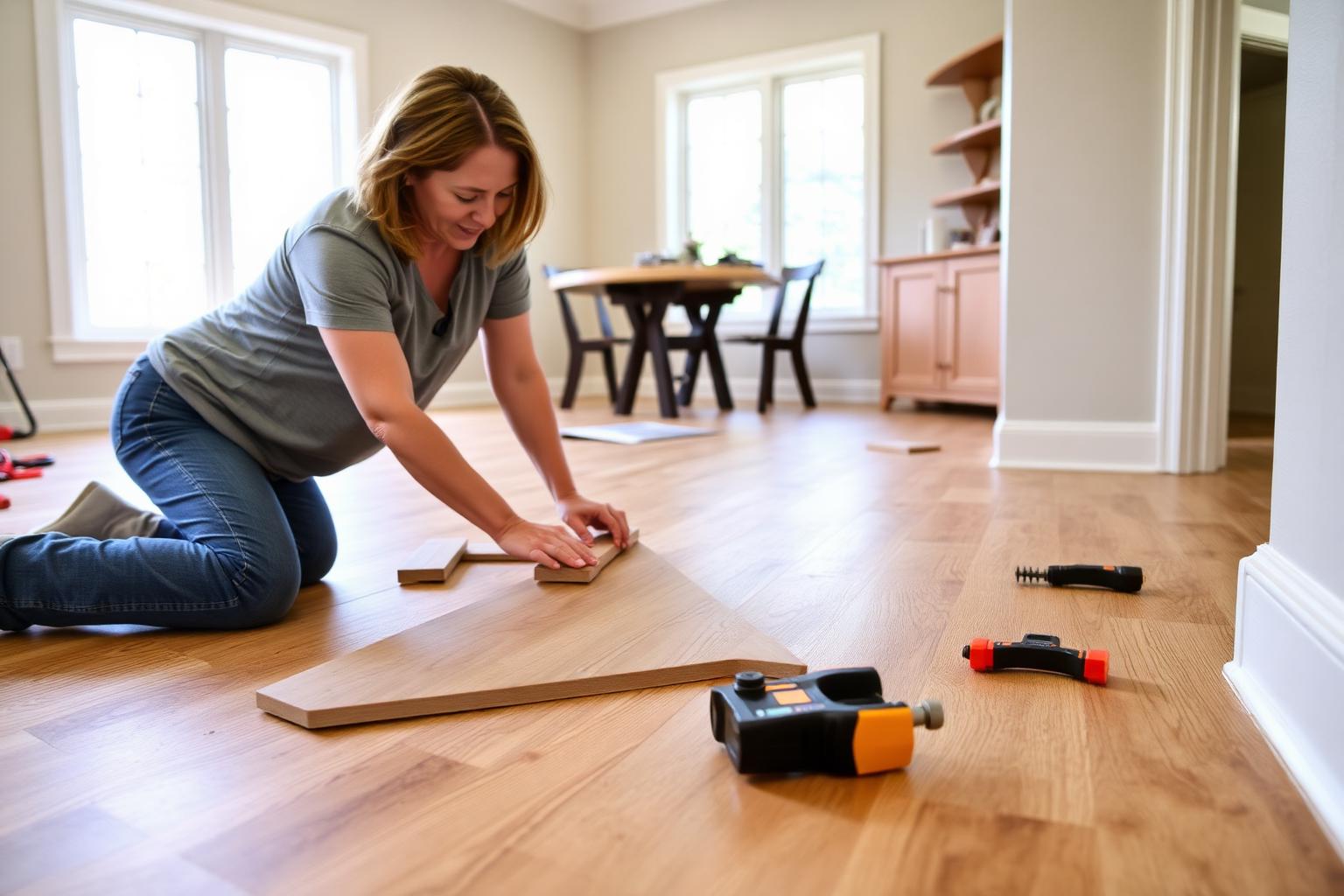
When homeowners start thinking about new flooring, one of the first questions they ask is:
"Can I install this myself and save money?"
The honest answer? Sometimes yes. Sometimes absolutely not.
At Fishsticks Flooring, Kitchen & Bath, we've seen homeowners successfully tackle DIY flooring projects. We've also seen projects that looked fine on day one turn into major failures a year later because of improper prep, poor product selection, or installation mistakes that weren't obvious at first.
If you're trying to decide whether to DIY your flooring or hire a professional, here's what you should actually consider before starting.
The Best Flooring for DIY Installation
If you're going to install flooring yourself, the most DIY-friendly option is usually click-together luxury vinyl plank (LVP).
Why?
- It's relatively forgiving
- The planks lock together easily
- It doesn't require highly specialized tools
- Smaller rooms are easier to keep square and straight
- Many products are designed specifically for residential DIY installation
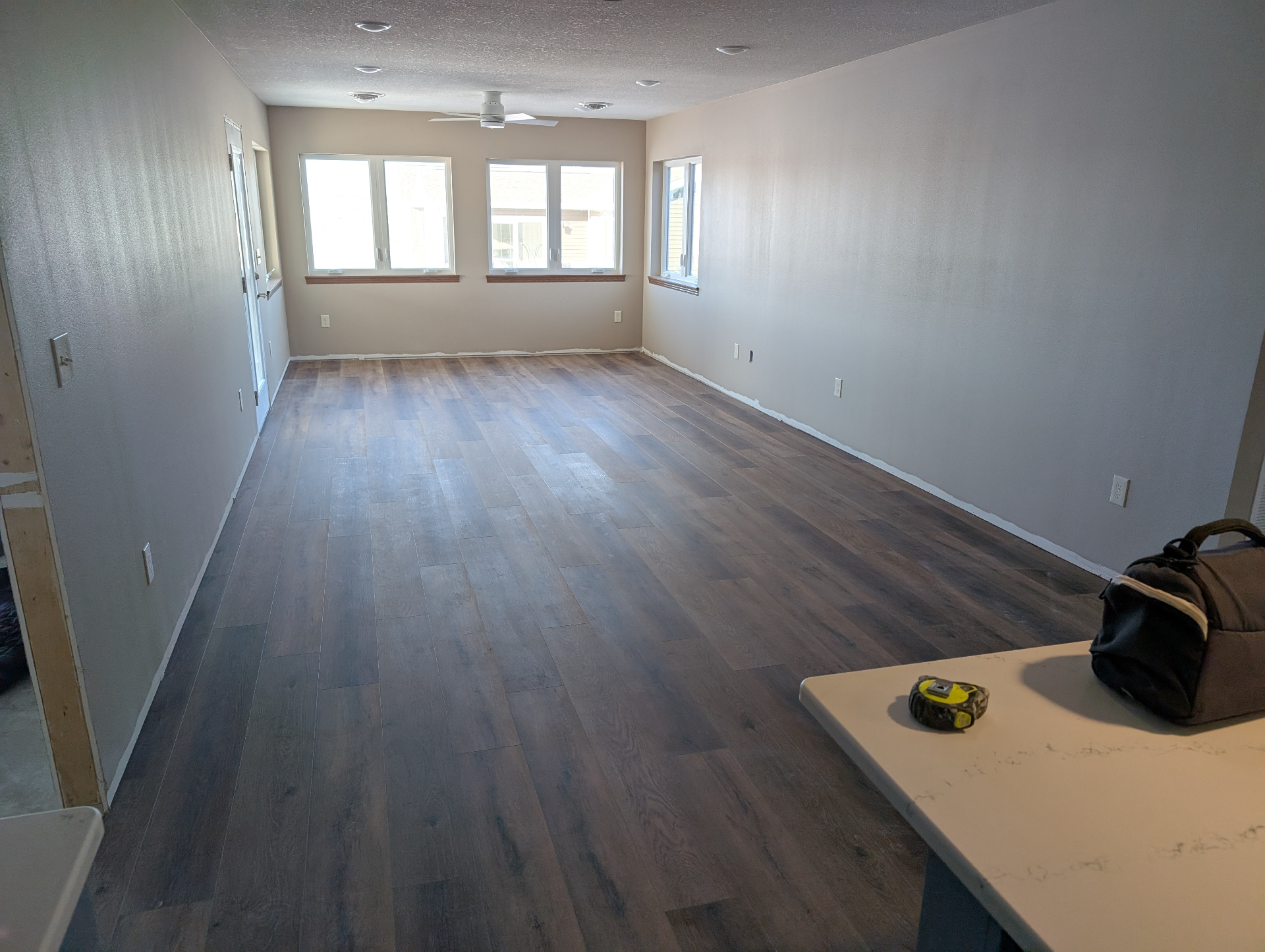
For homeowners who have done projects before and are comfortable planning things out carefully, LVP can absolutely be a realistic weekend project. Want to see the LVP options we stock? Browse our flooring services.
That said, "easy to install" does not mean "impossible to mess up."
The Biggest DIY Flooring Mistake We See
Without question, the biggest issue we see is improper floor preparation.
This includes:
- Uneven floors
- High spots
- Dips in the subfloor
- Poor underlayment prep
- Skipping moisture checks
- Not acclimating flooring properly before installation
A floor might still click together and look okay initially, but those problems almost always show up later. For a deeper dive, read our guide on why subfloor prep is so important.
At Fishsticks, we regularly see floors that fail prematurely because the base underneath wasn't prepared correctly. Boards separate, joints fail, edges lift, or the floor starts flexing and creaking.
Many homeowners don't realize that flooring manufacturers have strict installation requirements. If those requirements aren't followed, warranties are often completely voided.
Flooring Types That Usually Require a Professional
Some flooring products are much less forgiving than LVP.
The biggest problem categories we see are:
- Tile
- Engineered hardwood
- Complex patterns
- Custom layouts
- Showers and waterproof systems
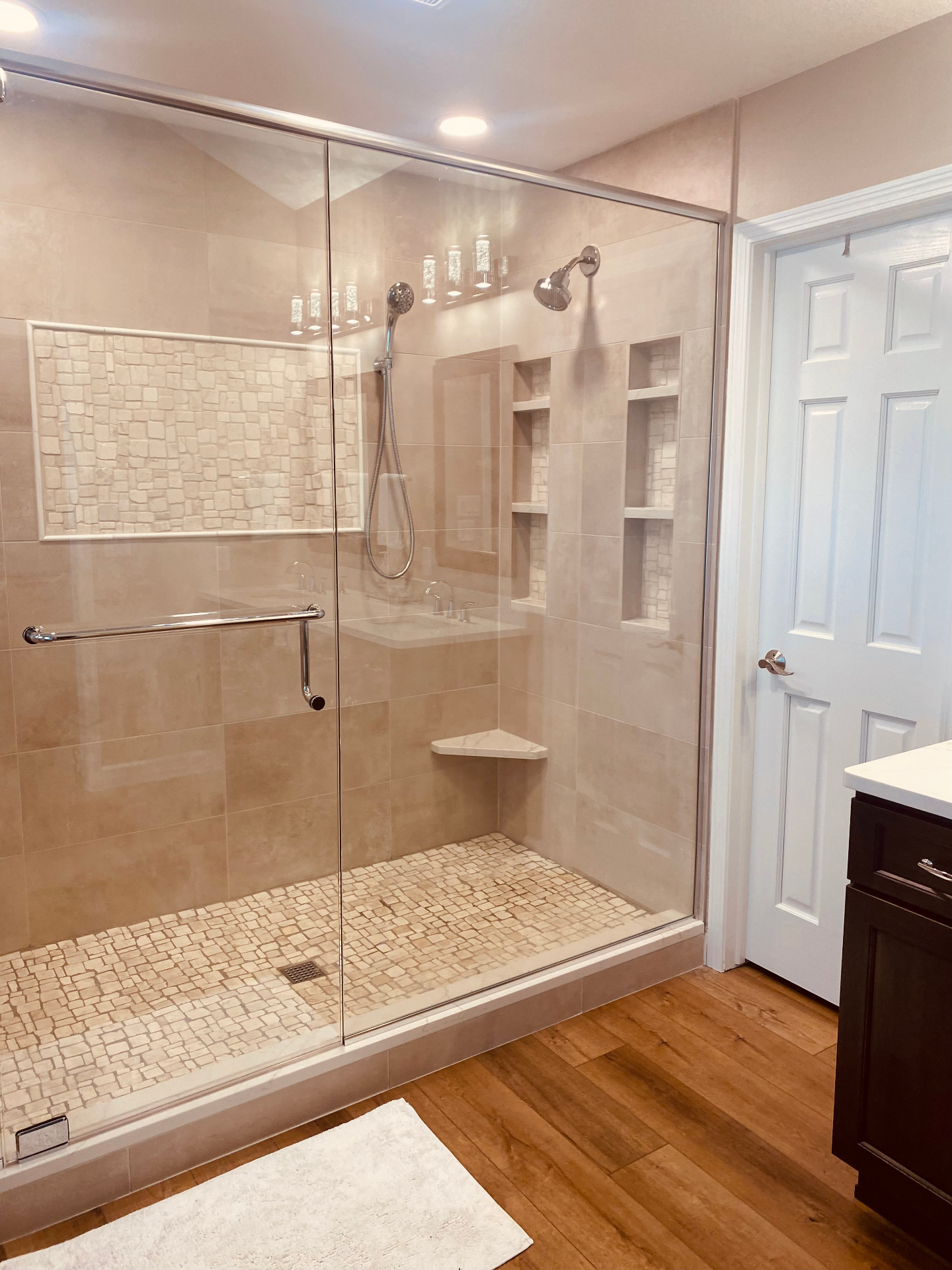
These products require much more precision, planning, and preparation. Tile, especially, leaves very little room for error. Proper waterproofing, leveling, mortar selection, spacing, and movement joints all matter. One mistake behind the scenes can create major problems later — see our bathroom tile subfloor prep guide for more.
A Real Example: When DIY Goes Wrong
One of the clearest examples we've seen involved a second-floor tile shower.
The homeowner had a handyman begin the installation, but the shower was not waterproofed correctly before tile was installed.
At first glance, everything looked fine. But once water started getting through the tile system, it leaked into the structure below and damaged drywall throughout portions of the first floor.
Instead of simply paying for a professionally installed shower upfront, the homeowner ended up paying for:
- Shower demolition
- Complete shower rebuild
- Moisture remediation
- Drywall repair
- Additional labor and materials
This is one of the biggest misconceptions about DIY flooring and tile work: problems are often hidden until significant damage has already occurred. Our bathroom remodel team handles waterproofing the right way the first time.
What Professional Installers Do Differently
One thing homeowners often don't realize is how much experience affects the final appearance of the floor.
For example, with manufactured flooring products like LVP or tile, professional installers carefully mix patterns and plank variations throughout the installation.
Most flooring products only contain 6–8 repeating visual patterns. If you install flooring without paying attention to pattern repetition, you can accidentally create obvious visual repeats that make the floor look artificial or poorly installed.
Professional installers constantly adjust layout and plank selection to make the floor look natural and balanced. That's the kind of detail homeowners usually don't notice until after the project is finished.
The Hidden Costs of DIY Flooring
Many homeowners focus only on the upfront labor savings. But the real risks are often:
- Voided warranties
- Using incorrect adhesives
- Improper acclimation
- Incorrect layout planning
- Water damage
- Premature product failure
- Having to redo the entire floor
We've also seen homeowners attempt complex layouts or patterns without planning them properly, only to get trapped midway through installation and have to tear sections back out. The cost of redoing flooring is usually much higher than doing it correctly the first time.
Why Professional Installation Costs What It Does
A lot of homeowners initially look at installation pricing and think: "How can this cost that much?"
But what you're paying for isn't just labor hours. You're paying for:
- Years of experience
- Product knowledge
- Proper prep work
- Installation systems
- Warranty protection
- Layout expertise
- Problem-solving
- Long-term durability
A professionally installed floor should still look great years later — not just immediately after installation. At Fishsticks, we've seen many floors that looked "mostly okay" on day one develop major problems later because shortcuts were taken during prep or installation.
So… Should You DIY Your Flooring?
Honestly? It depends.
If you:
- Have previous DIY experience
- Are detail-oriented
- Are comfortable learning installation systems
- Are working in a smaller area
- Are installing straightforward click-lock LVP
…you may be able to successfully tackle it yourself.
But if you:
- Feel nervous about the project
- Aren't sure what product to choose
- Are installing tile or engineered flooring
- Have uneven floors
- Want complicated layouts or patterns
- Need waterproofing done correctly
…it's probably worth talking with a professional before starting. Even if you ultimately choose to DIY the installation, getting guidance on product selection and preparation can save you thousands of dollars later.
At Fishsticks Flooring, Kitchen & Bath, we help homeowners throughout the Cedar Valley choose flooring products that fit their home, lifestyle, and long-term goals — whether we're installing it ourselves or helping homeowners avoid costly mistakes before they begin. Reach out today to talk through your project.
Project Gallery
Ready to Start Your Project?
Let's discuss your renovation goals. Schedule a free consultation today.
Contact UsRelated Articles
Wood Look Floors in the Main Living Areas—What Should You Do in the Kitchen and Bathrooms?
Not sure what flooring to choose for your kitchen or bathroom if you have wood floors? Fishsticks Flooring helps Waterloo & Cedar Falls homeowners choose durable, waterproof options that look great and last.
Read MoreTop Flooring Trends from Waterloo's Flooring Experts
Looking for new floors in Waterloo or Cedar Falls? Discover the latest flooring trends, from vinyl plank to hardwood, with Fishsticks Flooring—trusted in Cedar Valley homes.
Read MoreWaterloo's Flooring Pros Reveal This Year's Top Trends
Looking for new floors in Waterloo or Cedar Falls? Discover the latest flooring trends, from vinyl plank to hardwood, with Fishsticks Flooring—trusted in Cedar Valley homes.
Read More